

Introduction
In modern networking, communication between devices depends on a carefully layered structure of protocols. Among these, ICMP is often misunderstood, especially when people ask a basic but important question: does ICMP use IP?
The short answer is yes, but the real explanation goes deeper into how the internet actually delivers control messages between devices. ICMP is not a transport protocol on its own. Instead, it relies entirely on IP to carry its messages from one system to another. Without IP, ICMP would not be able to travel across networks or perform its diagnostic role.
To understand does ICMP use IP, it is necessary to explore how ICMP is encapsulated, how it moves inside IP packets, and why it is essential for troubleshooting and network visibility.
What ICMP Really Is
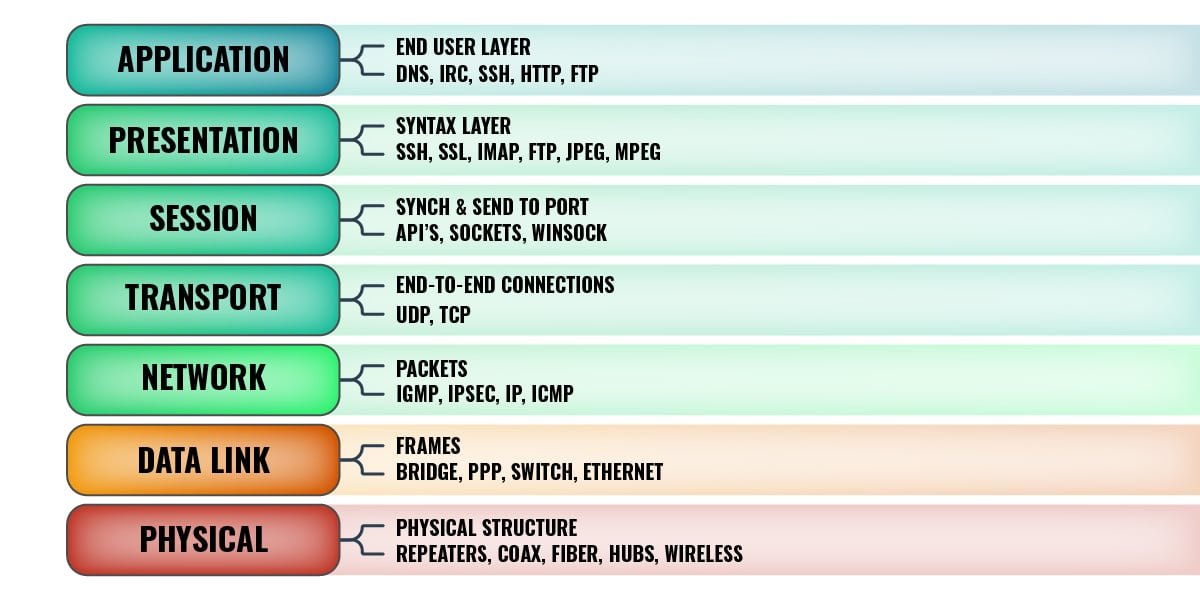
ICMP (Internet Control Message Protocol) is a network-layer protocol used to send error reports and operational messages between devices. It is widely known for supporting tools like ping and traceroute.
When studying does ICMP use IP, it is important to recognize that ICMP is not designed for transferring user data such as web pages or files. Instead, it helps devices communicate network status information, such as unreachable destinations or routing issues.
ICMP messages are generated when networks encounter problems or when a device checks connectivity. These messages are then handed to IP for delivery across the network.
ICMP and Its Dependence on IP
To fully understand does ICMP use IP, it helps to look at how both protocols interact within the network layer. ICMP does not function independently. Instead, it is encapsulated inside IP packets.
When an ICMP message is created, it is wrapped inside an IP header before transmission. The IP layer is responsible for addressing and routing, while ICMP provides the actual message content.
For example, during a ping operation, an ICMP Echo Request is created and placed inside an IP packet. This packet is then routed across multiple networks until it reaches its destination. Once it arrives, the ICMP message is extracted and processed, and a reply may be generated.
This dependency clearly shows does ICMP use IP, since ICMP cannot be delivered without IP transport.
How ICMP Travels Across Networks
The journey of an ICMP message further explains does ICMP use IP in practical terms. When a device generates an ICMP message, it is passed down to the IP layer for delivery.
IP adds source and destination addresses, forming a complete packet. This packet is then forwarded through routers across different networks until it reaches its destination.
At each hop, routers examine the IP header to decide where to send the packet next. ICMP itself does not participate in routing decisions. Instead, it relies entirely on IP for movement across the internet.
Once the packet reaches the destination device, the IP header is removed, and the ICMP message is processed. If necessary, a response is sent back using the same mechanism. This entire process reinforces does ICMP use IP as a fundamental networking principle.
ICMP in Everyday Network Tools
A practical way to understand does ICMP use IP is through common network tools like ping and traceroute.
The ping command sends ICMP Echo Requests to a target device. These requests are encapsulated in IP packets and delivered across the network. If the destination is reachable, it responds with ICMP Echo Replies, confirming connectivity.
Traceroute works slightly differently but still depends on ICMP. It sends packets with increasing time-to-live values. When a packet expires at a router, that router sends back an ICMP Time Exceeded message. These responses help map the path taken by data.
Both tools demonstrate does ICMP use IP, because IP is responsible for delivery while ICMP provides diagnostic feedback.
Why ICMP Cannot Function Without IP
A common misunderstanding is that ICMP can operate independently, but a closer look shows why does ICMP use IP is always true in real networking systems.
ICMP does not have its own addressing or routing system. It cannot independently decide how to reach a destination. Instead, it depends completely on IP.
IP provides logical addressing, routing between networks, and packet delivery. ICMP provides error reporting, diagnostics, and control messages. This division of responsibility ensures efficient communication.
Without IP, ICMP messages would have no structured way to travel across networks, which confirms does ICMP use IP as a core design principle of the internet.
Security and Network Behavior of ICMP
Understanding does ICMP use IP also helps explain why ICMP traffic is sometimes restricted in real-world networks.
Because ICMP is carried inside IP packets, it follows the same routing and filtering rules as other IP traffic. Firewalls may block ICMP messages to reduce exposure to network scanning or attack techniques.
However, blocking ICMP entirely can cause problems. Network administrators may lose visibility into connectivity issues, routing failures, or packet loss. For this reason, many networks allow controlled ICMP traffic instead of fully disabling it.
This balance shows how does ICMP use IP is not only a technical concept but also relevant in network security design.
Importance of ICMP in Modern Networks
Even though ICMP does not carry application data, it plays a critical role in maintaining network stability. The concept of does ICMP use IP highlights how deeply ICMP depends on IP to function, while still providing essential feedback to the network.
ICMP helps identify unreachable hosts, routing loops, and communication failures. Without it, network troubleshooting would be significantly more difficult.
From small home setups to large global infrastructures, ICMP ensures that network administrators can monitor and maintain connectivity effectively.
ICMP and IP Working Together
To fully understand does ICMP use IP, it is helpful to view networking as a layered system. IP handles addressing and delivery, while ICMP handles control and feedback.
This separation allows the internet to scale efficiently. Each protocol has a clear role, and together they create a reliable communication system.
ICMP depends entirely on IP for delivery, while IP benefits from ICMP’s ability to report network conditions. This relationship is one of the foundational elements of internet communication.
Conclusion
So, does ICMP use IP? The answer is a definite yes. ICMP is encapsulated inside IP packets and relies completely on IP for routing, addressing, and delivery.
Understanding does ICMP use IP is essential for anyone studying networking because it reveals how protocols work together rather than independently. ICMP provides diagnostic and control functions, while IP ensures those messages reach their destination across complex networks.
This interdependence is what makes modern networking possible, and it highlights how ICMP and IP function as complementary components of the internet’s communication system.
FAQs
Q: Does ICMP use IP?
A: Yes, ICMP uses IP because it is carried inside IP packets for delivery across networks.
Q: Is ICMP a transport protocol like TCP or UDP?
A: No, ICMP is not a transport protocol; it is a network-layer control protocol.
Q: Why does ICMP depend on IP?
A: ICMP depends on IP because it has no routing system of its own and needs IP for packet delivery.
Q: What is ICMP mainly used for?
A: ICMP is mainly used for network diagnostics and error reporting, such as ping and traceroute.
Q: Can ICMP work without IP?
A: No, ICMP cannot work without IP because it relies completely on IP packets to travel across networks.