

Introduction to Distance Measurement
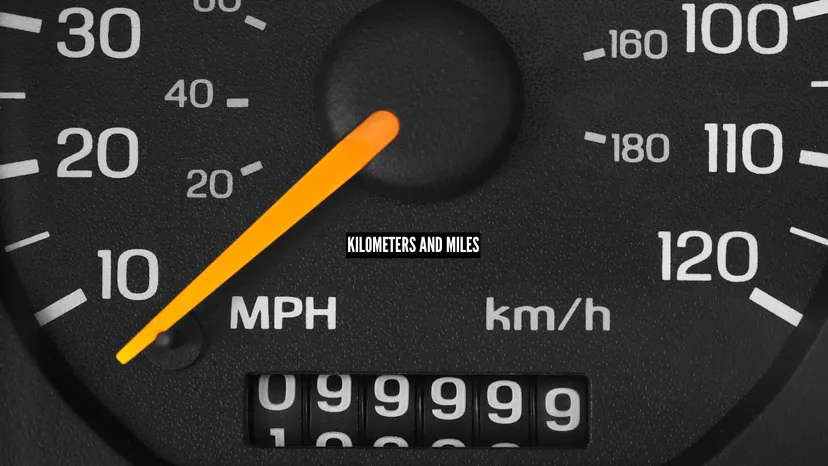
Kilometers and Miles are two important units used around the world to measure distance. They help people understand how far places are from each other, how long roads are, and how distances are calculated in travel, sports, and science. Although both units have the same purpose, they come from different measurement systems and are used differently across countries.
- Introduction to Distance Measurement
- Understanding the Kilometer
- Understanding the Mile
- The Difference Between Kilometers and Miles
- History Behind Distance Systems
- Converting Between Different Units
- Everyday Importance and Practical Uses
- Role in Travel and Navigation
- Importance in Education and Science
- Technology and Modern Measurement
- Common Mistakes When Comparing Distances
- Benefits of Understanding Distance Units
- Conclusion
The kilometer is mainly connected with the metric system, while the mile is part of the imperial system. Learning about these distance units is useful for travelers, students, drivers, and anyone who works with maps or international information.
Understanding the Kilometer
A kilometer is a unit of length from the metric system and equals 1,000 meters. It is commonly used to measure long distances, including roads, cities, and geographical areas. The metric system was developed to create a simple and organized method of measurement.
Most countries around the world use kilometers because the metric system follows a decimal structure. This makes calculations easier and allows people from different countries to understand measurements in a similar way.
For example, road signs in many countries show distances in kilometers, helping drivers know how far they need to travel. Running events, cycling competitions, and fitness trackers also commonly use this measurement.
Understanding the Mile
A mile is a traditional unit of distance with a long historical background. The modern mile equals 5,280 feet or approximately 1,609 meters. It is mainly used in countries that follow the imperial measurement system.
The word “mile” comes from the Latin phrase “mille passus,” meaning one thousand steps. Ancient Roman armies used this measurement to estimate travel distances during their journeys.
Today, miles are still used in countries such as the United States. Road signs, speed limits, and vehicle measurements are often displayed using miles instead of kilometers.
| Detail | Information |
|---|---|
| Topic Name | Kilometers and Miles |
| Category | Distance Measurement Units |
| Kilometer System | Metric System |
| Mile System | Imperial System |
| 1 Kilometer | 1,000 meters |
| 1 Mile | 1,609.344 meters |
| Kilometer to Mile | 1 km = 0.621 miles |
| Mile to Kilometer | 1 mile = 1.609 km |
| Main Uses | Travel, roads, sports, science, maps |
| Common Countries Using Kilometers | Most countries worldwide |
| Common Countries Using Miles | United States and some regions |
| Purpose | Measuring distance between locations |
The Difference Between Kilometers and Miles
The main difference between these two units is their length and the measurement system they belong to. Kilometers and Miles do not represent the same distance because a mile is longer than a kilometer.
One mile equals approximately 1.609 kilometers, while one kilometer equals around 0.621 miles. This means a journey measured in miles will always cover more distance than the same number measured in kilometers.
Understanding this difference is important when comparing international travel distances. A person moving between countries may need to convert measurements to understand road distances correctly.
History Behind Distance Systems
The history of distance measurement goes back thousands of years. Early civilizations created their own systems based on body parts, walking steps, and other natural references. However, these methods were often different from one region to another.
The development of the metric system created a universal approach that improved science, engineering, and trade. Countries adopted this system because it provided accurate and consistent measurements.
Traditional units like miles continued because of their historical importance. Even today, Kilometers and Miles represent the different measurement traditions that developed throughout history.
Converting Between Different Units
Converting distances is simple when the correct formulas are used. To change kilometers into miles, the number is multiplied by 0.621371. To convert miles into kilometers, the number is multiplied by 1.609344.
For example, 10 kilometers is about 6.21 miles, while 10 miles equals around 16.09 kilometers. These conversions are commonly used in travel planning, education, and professional work.
Many digital tools, including mobile applications and navigation systems, automatically perform these calculations. However, understanding the basic conversion process helps people make better distance comparisons.
Everyday Importance and Practical Uses
Kilometers and Miles are used in many parts of daily life. Drivers depend on distance measurements when planning routes, checking road signs, and estimating travel times.
Athletes also use these units for running, cycling, and walking activities. Many international races use kilometers, while some traditional competitions still measure distances in miles.
Businesses, transportation companies, and travelers need accurate distance information to organize movement and planning. Clear measurements help people communicate better across different countries.
Role in Travel and Navigation
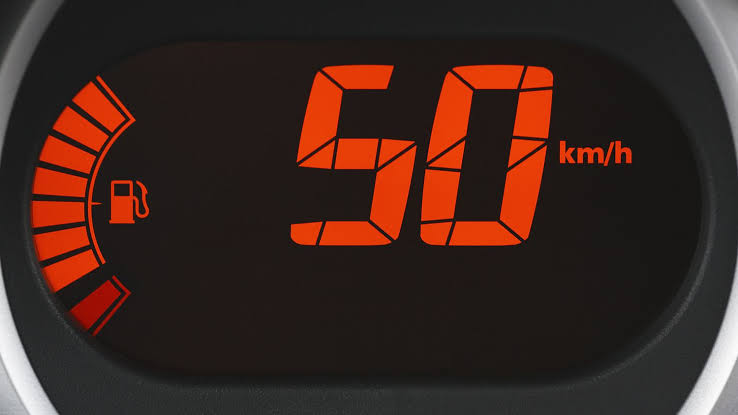
Travelers often encounter different distance systems when visiting new places. Someone familiar with kilometers may need time to understand road signs that display distances in miles.
Modern navigation technology makes this easier because most GPS devices allow users to select their preferred measurement style. This helps drivers follow routes without confusion.
Air travel, shipping, and international transportation also depend on accurate measurements. Understanding Kilometers and Miles allows people to work more effectively in global environments.
Importance in Education and Science
Learning about measurement systems is an important part of mathematics and science education. Students learn how to calculate distances, compare values, and understand different units.
Scientists usually prefer the metric system because it provides a common international standard. However, learning about miles remains valuable for understanding geography, history, and global communication.
Knowledge of distance units helps people solve practical problems and understand information from different regions.
Technology and Modern Measurement
Technology has changed the way people use distance measurements. Smartphones, fitness watches, GPS devices, and online maps can quickly display distances in different formats.
These tools help people switch between systems depending on their location or personal preference. Digital technology has reduced many challenges caused by different measurement methods.
Even with advanced tools, having basic knowledge of Kilometers and Miles remains helpful for everyday decisions and international understanding.
Common Mistakes When Comparing Distances
Many people confuse these two units because they are both used to describe distance. A common mistake is assuming that one kilometer and one mile are equal.
Another mistake is forgetting that a mile is longer. This can create errors when planning journeys, comparing sports records, or estimating travel times.
Learning the correct relationship between these units helps prevent misunderstandings and improves accuracy.
Benefits of Understanding Distance Units
Knowing different measurement systems provides many advantages. It helps travelers move confidently, allows students to understand mathematics better, and improves communication between countries.
People who understand both systems can easily read maps, follow directions, and compare international information.
Whether for personal travel, education, or professional work, knowledge of Kilometers and Miles is a useful skill in the modern world.
Conclusion
Kilometers and Miles are two valuable distance measurements with different histories and uses. Kilometers are widely used through the metric system, while miles continue to be important in countries that follow imperial measurements.
Understanding these units makes travel easier, improves learning, and helps people communicate across borders. Although they developed separately, both systems continue to play an important role in measuring the world around us.